
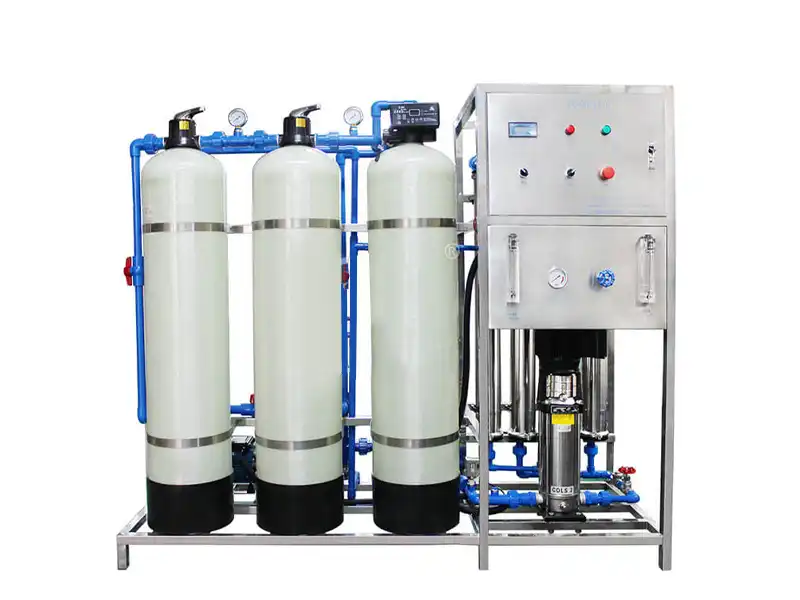
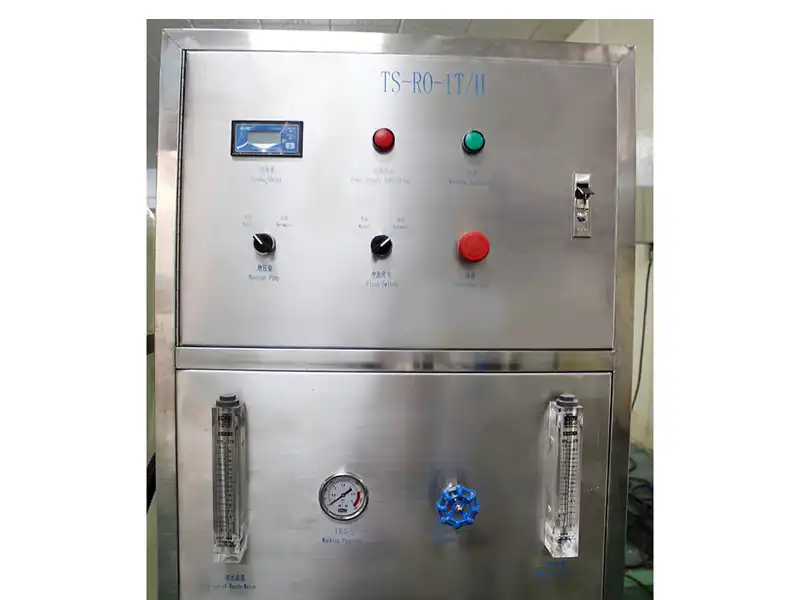
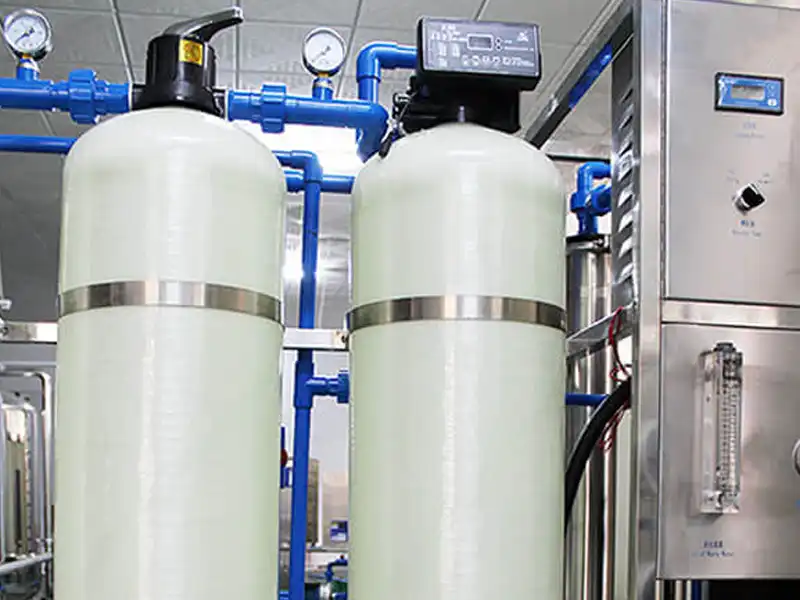
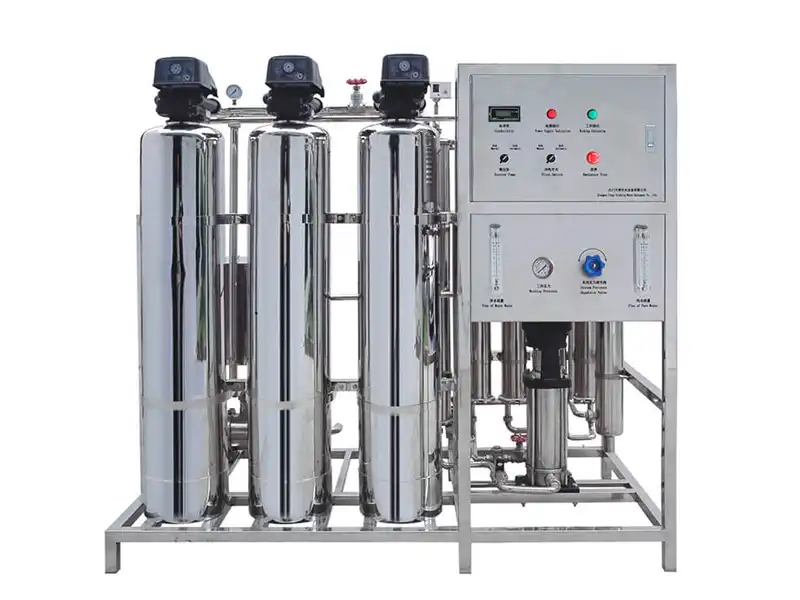
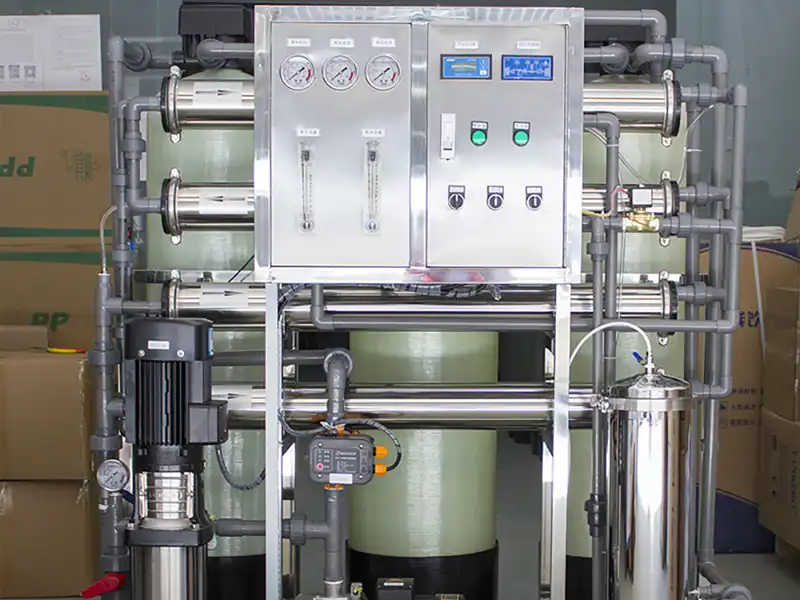
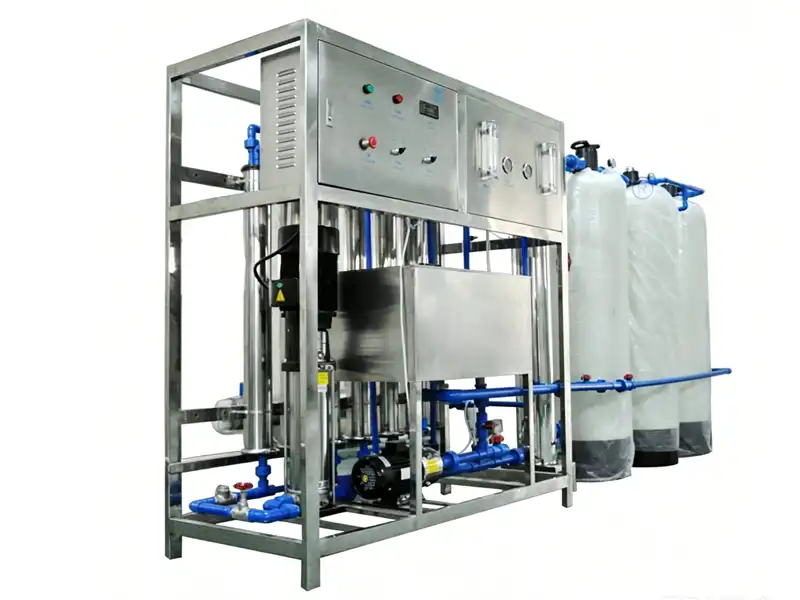
1000LPH RO Water Treatment Plant
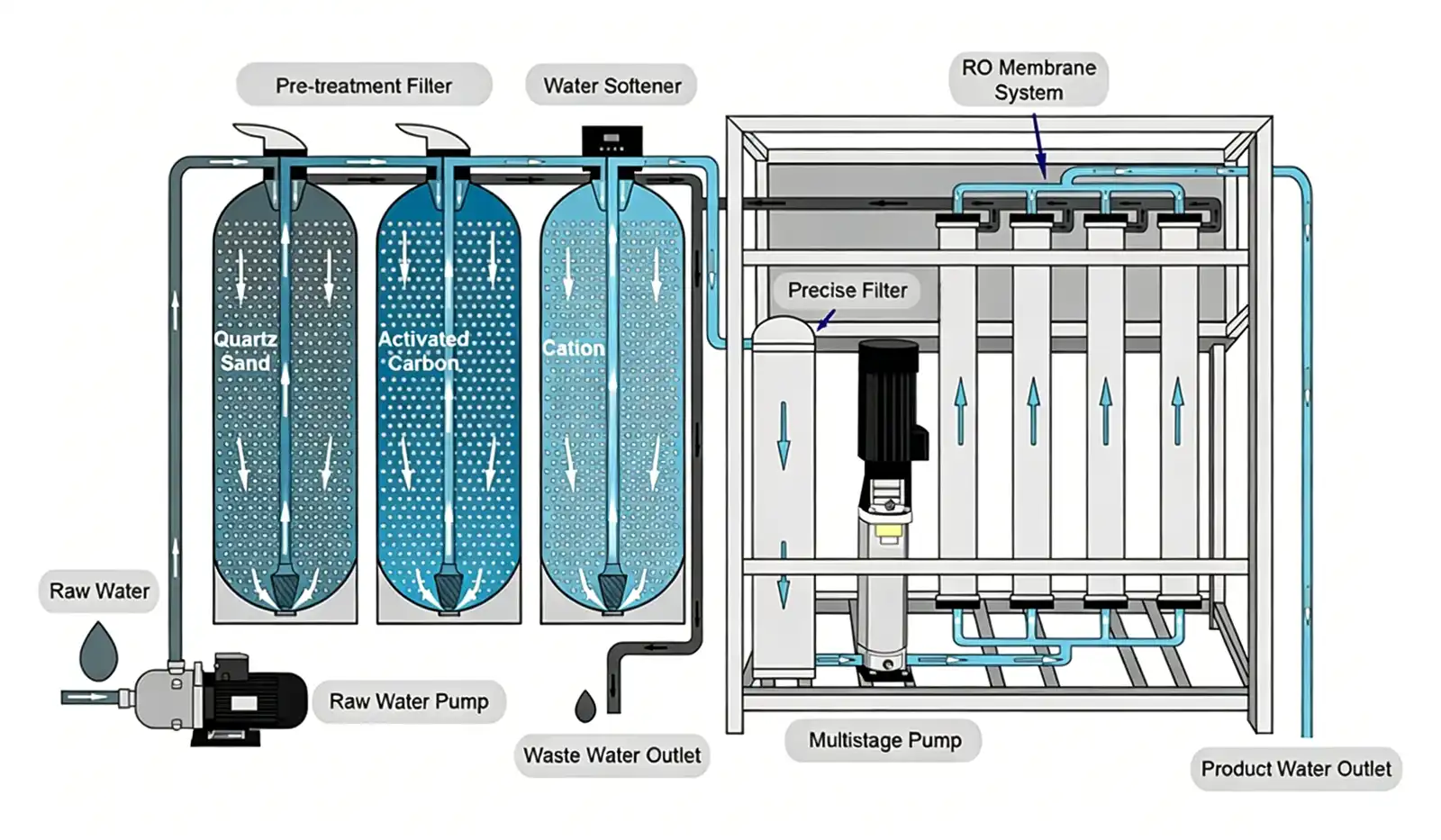
The RO (Reverse Osmosis) water treatment plant removes unwanted particles (salts), hardness, microorganisms, and impurities from the water in order to improve the color, odour, taste, or properties of the fluid.
The product water is pure water for a specific use, such as daily use, direct drinking, industrial water use, commercial beverage production (bottled water, juice, tea, carbonated drinks, wine, beer, etc.), cosmetic production, food processing, hotels and restaurants, pharmaceutical and hospital use, and so on.
Product Introduction
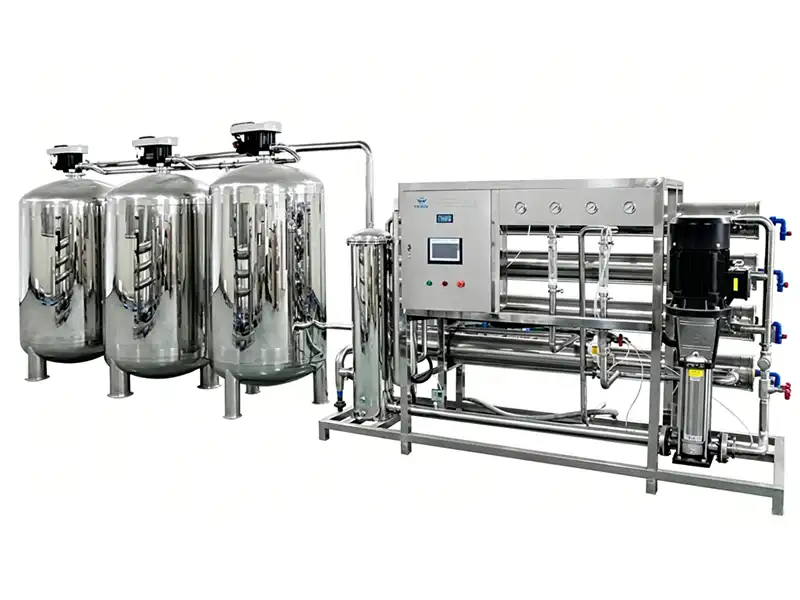
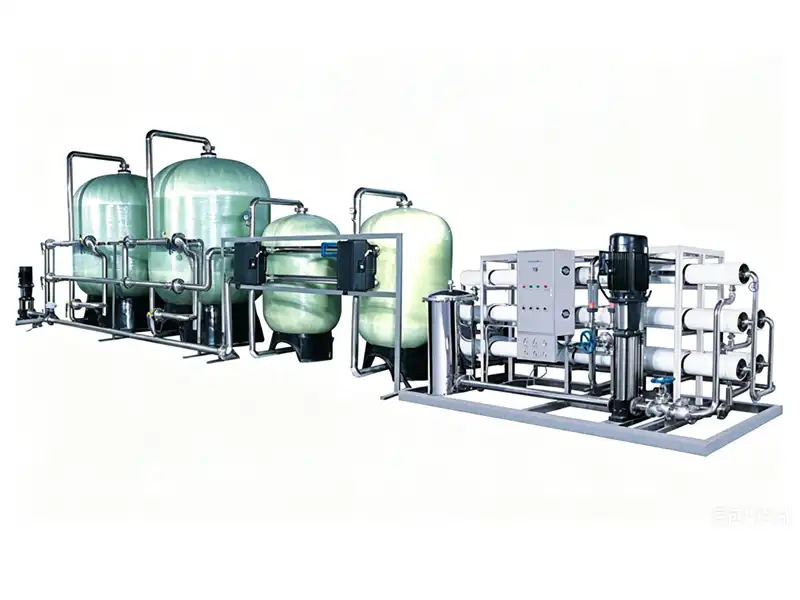
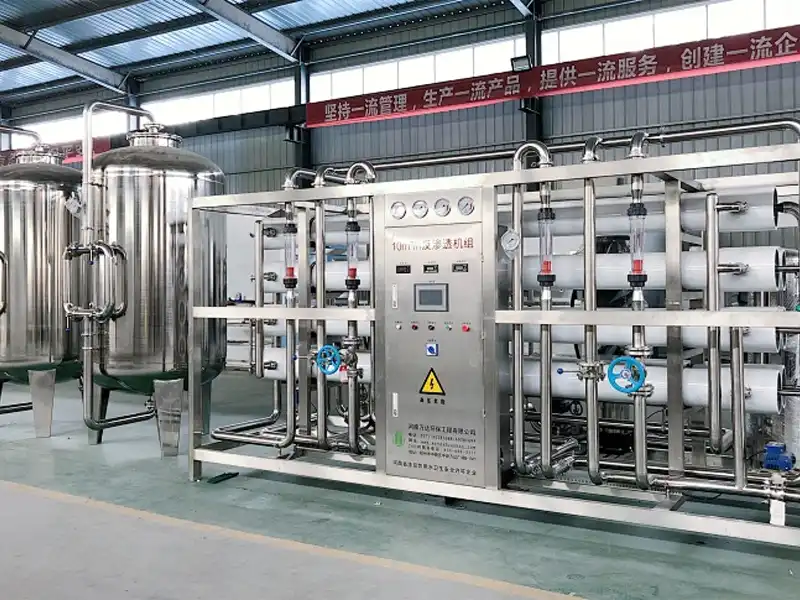
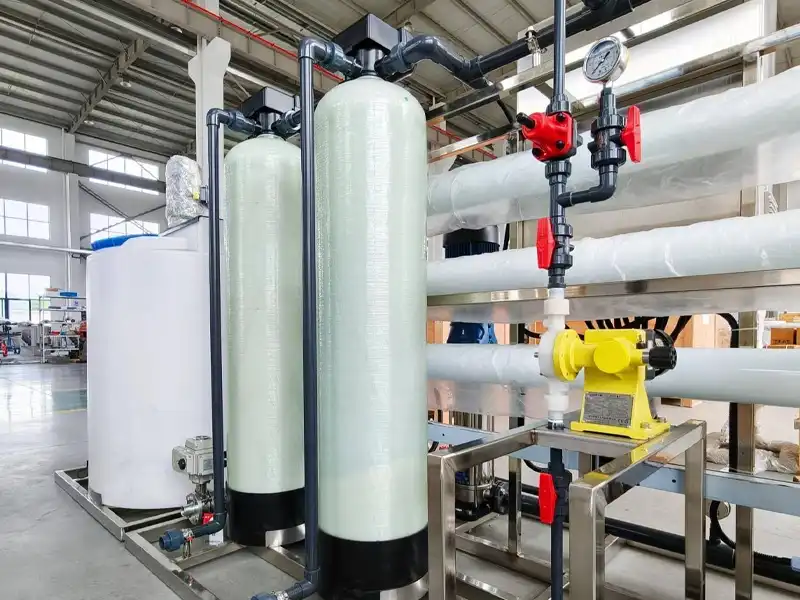
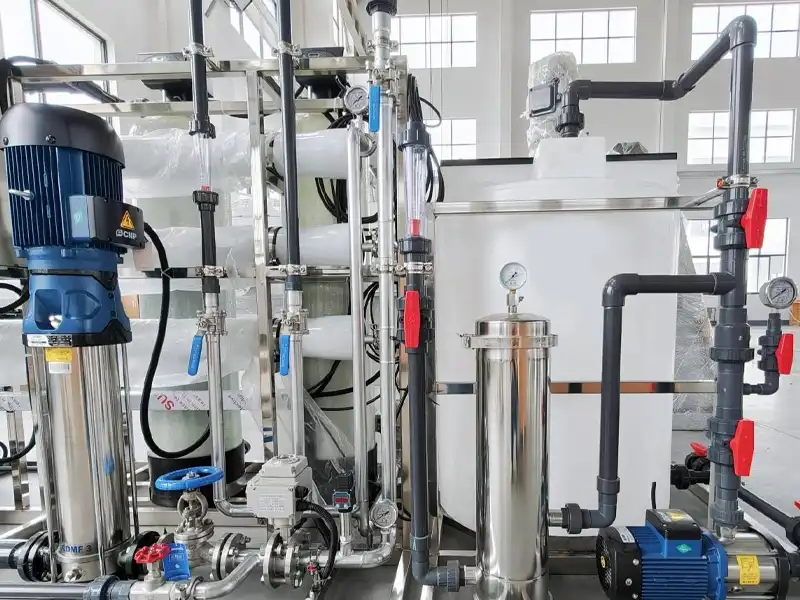
It is applied for the production of pure water, mineral water, beverage product water, and process water. It is mainly composed of the following equipment: pre-treatment system (multi-medium filter, active carbon filter, micron filter), membrane separation system (Ultrafilter, nanometer filter, RO system), sterilization system (UV sterilizing, ozone mixing), and so on.
Working Principle of RO Water Treatment Plant
- Raw Water Pretreatment (Pre-Treatment)
Equipment such as quartz sand filters, activated carbon filters, and water softeners is used to remove suspended solids, residual chlorine, organic matter, and hardness, thereby protecting the RO membranes. - Fine Filtration
A 5-μm security filter is used to further trap fine particles and prevent impurities from entering the reverse osmosis system. - High-Pressure Pumping
A high-pressure pump pressurizes the raw water to a level higher than osmotic pressure, providing a stable operating pressure for the reverse osmosis membranes. - Reverse Osmosis Filtration
Water molecules pass through the RO membranes, while dissolved salts, bacteria, viruses, heavy metals, and most organic compounds are retained, achieving highly efficient purification. - Permeate Water Collection
The purified water enters the purified water tank and can be used directly in industrial production or fed into a subsequent ultrapure water treatment system. - Concentrate Discharge
Impurities retained by the RO membranes are discharged from the system with the concentrate, ensuring the continuous and efficient operation of the membrane elements. - Automatic Control and Monitoring
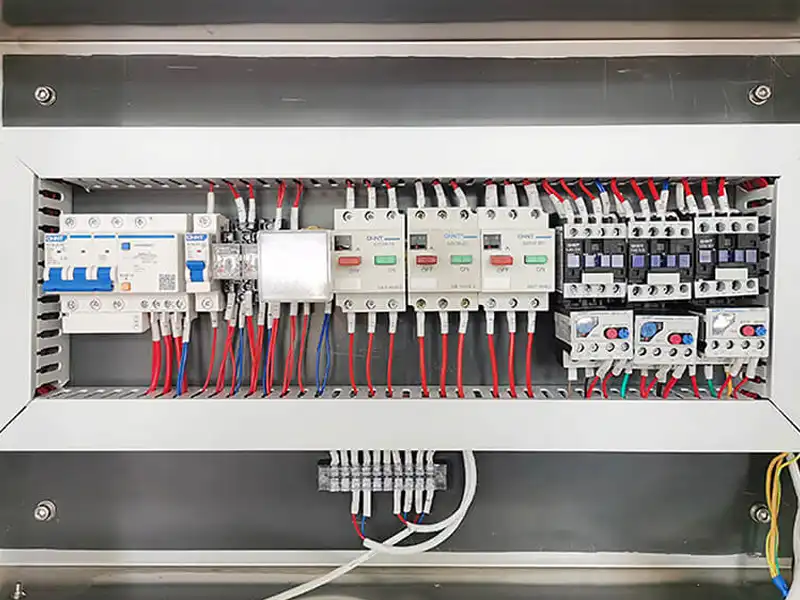
The PLC control system monitors key parameters such as pressure, flow rate, and conductivity in real time, enabling automatic operation, alarm functions, and maintenance management.
Specifications
| Model | TS-RO-1T |
| Capacity | 1000L/H (25℃) |
| General Power Consumption | 3kw |
| Working Voltage | 380V/50Hz (Can be customized) |
| Booster pump | BLC70/075 type, 0.75kw, 1set |
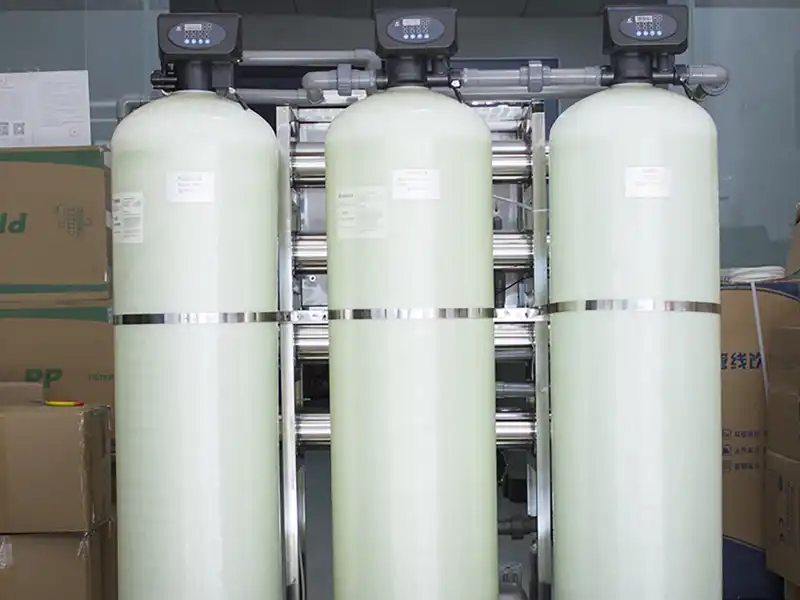
| FRP Quartz sand filter | Ф300X1370mm, 1 set, Quartz sand 100 kg |
| FRP Activated carbon filter | Ф300X1370mm, 1 set, Activated carbon 50 kg |
| FRP Water Softener | Ф300X1370mm, 1 set, cation 50L |
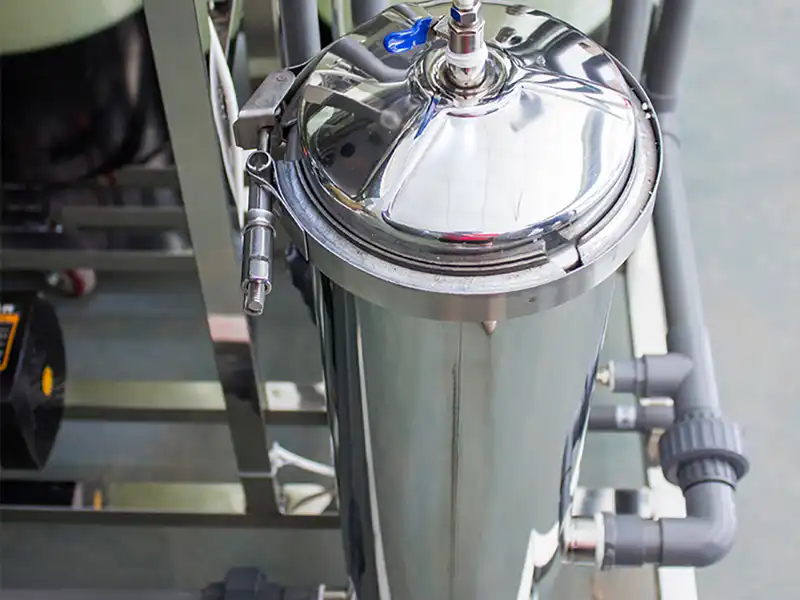
| Precise filter | Ф195×500mm, 1 set, stainless steel 304 |
| Multistage pump | CDL2-180 type, 2.2KW |
| RO membranes | 4040 type, 4pcs |
Process Description
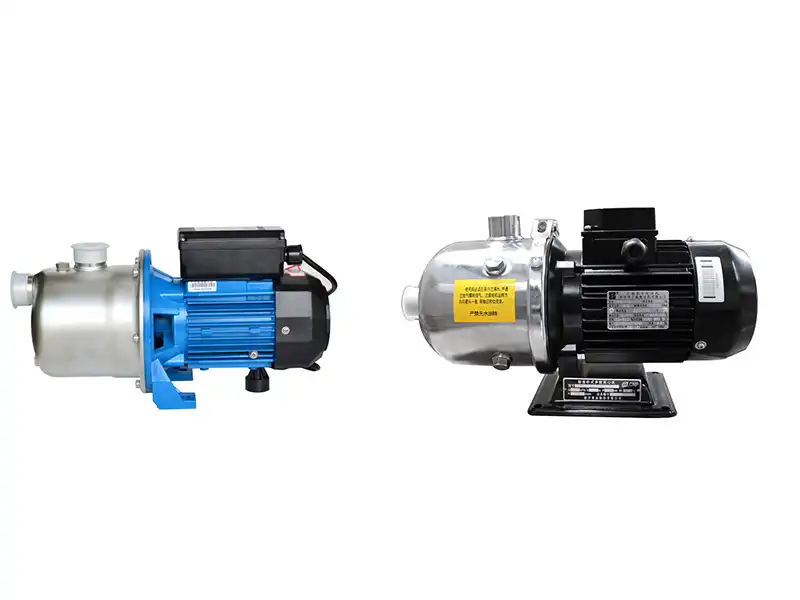
Booster Pump
 Booster Pump
The device provides a stable water source and pressure to the back-end treatment system.
Prefilters
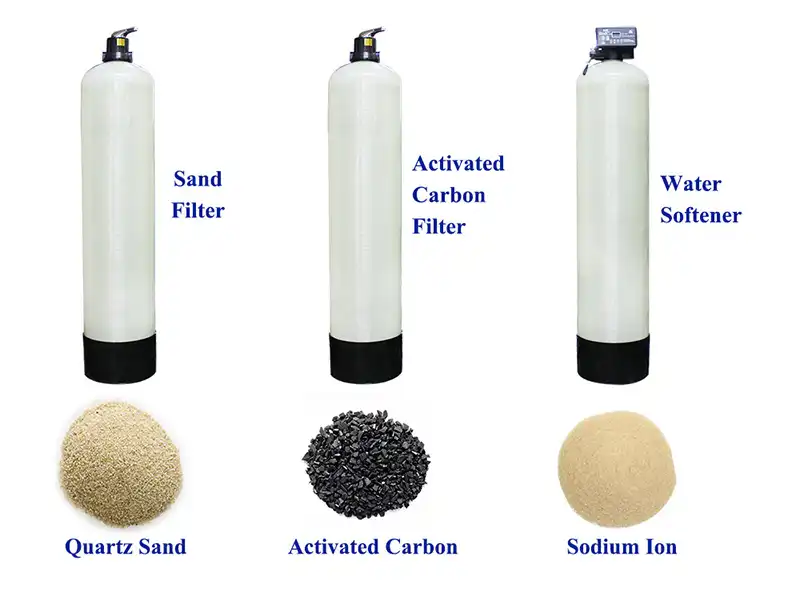 Prefilters
Sand Filter
The device filters out the impurity substance and disposes of the divalent iron and manganese ions in the raw water. It is equipped with an automatic control valve, which can discharge the sediment by its automatic backwashing function.
Activated Carbon Filter
This filter removes the colors and smells of the raw water to improve the water’s flavor.
Water Softener
This device softens the water by oxidizing the calcium ions and magnesium ions in the raw water with cations.
Precise filter
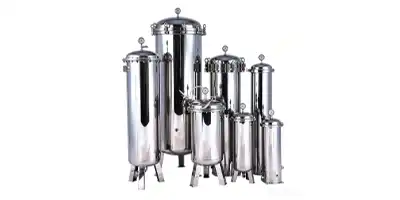
With the filtering accuracy of < 5 μm, the precise filter can filter the particle impurity substance in the raw water from the front-end filters. It can prevent impurity substance from flowing into and thus blocking up the reverse osmosis membrane system, so as to decrease power consumption more effectively.
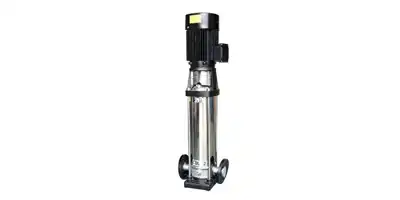
Multistage pump
This device gives a stable water supply and sufficient pressure to the reverse osmosis membrane system.
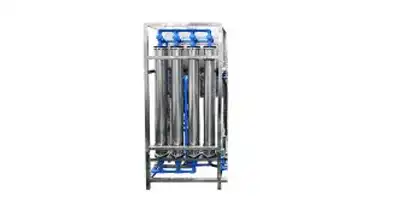
Reverse osmosis membrane system
This device filters substances such as bacteria and ions in the water. And the quality of the product water after filtration will be much higher than that of standard daily drinking water.
Functions of the RO Water Treatment Plant
- RO membranes auto wash and manual wash
- Auto stop on high pure water level, auto start on low pure water level
- A multi-phased pump can prevent the system from a water shortage
- Protection from power-off, undervoltage, excessive current, short circuit, and leakage of electricity.
More Capacity Choices for The Model
| No. | Model Number | Capacity |
| 1 | TS-RO-0.25T | 250L/H (0.25M3) |
| 2 | TS-RO-0.5T | 500L/H (0.5M3) |
| 3 | TS-RO-0.7T | 700L/H (0.7M3) |
| 4 | TS-RO-1T | 1000L/H (1M3) |
| 5 | TS-RO-2T | 2000L/H (2M3) |
| 6 | TS-RO-3T | 3000L/H (3M3) |
| 7 | TS-RO-4T | 4000L/H (4M3) |
| 8 | TS-RO-5T | 5000L/H (5M3) |
| 9 | TS-RO-6T | 6000L/H (6M3) |
| 10 | TS-RO-8T | 8000L/H (8M3) |
| 11 | TS-RO-10T | 10000L/H (10M3) |
| 12 | TS-RO-12T | 12000L/H (12M3) |
| 13 | TS-RO-15T | 15000L/H (15M3) |
| 14 | TS-RO-20T | 20000L/H (20M3) |
| 15 | TS-RO-25T | 25000L/H (25M3) |
| 16 | TS-RO-30T | 30000L/H (30M3) |
| 17 | TS-RO-50T | 50000L/H (50M3) |
Application
- Electronics and Semiconductor Industry: Production of high-purity and ultrapure water for chip manufacturing and the cleaning of electronic components.
- Pharmaceutical Industry: Supply of purified water meeting standards for pharmaceutical production, water for injection, and equipment cleaning.
- Food and Beverage Industry: Purification of water for drinking, bottled water, fruit juice, dairy products, and food processing.
- Power Industry: Supply of boiler make-up water, circulating cooling water, and demineralized water to minimize equipment scaling and corrosion.
- Chemical Industry: Meeting the demand for high-quality water in chemical production, solution preparation, and processing operations.
- Boiler Feedwater Treatment: Removal of dissolved salts and hardness to enhance boiler efficiency and extend equipment lifespan.
- Seawater and Brackish Water Desalination: Processing seawater or high-salinity groundwater into usable water for industrial or domestic purposes.
- Textile and Printing & Dyeing Industry: Supply of consistent process water to improve dyeing quality and product uniformity.
- Automotive Manufacturing Industry: Water for component cleaning, surface treatment, and painting processes.
- Municipal and Commercial Water Supply: Centralized water purification systems for facilities such as schools, hospitals, hotels, and laboratories.
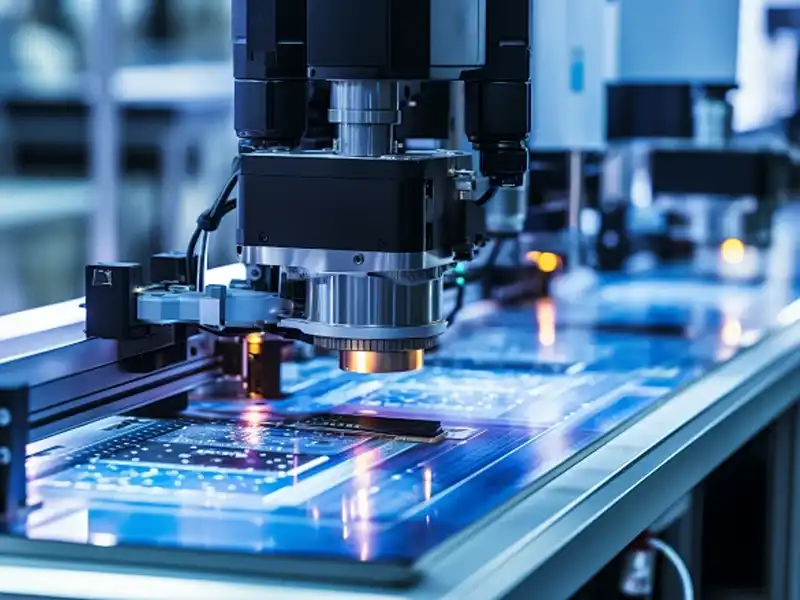 Electronics Industry
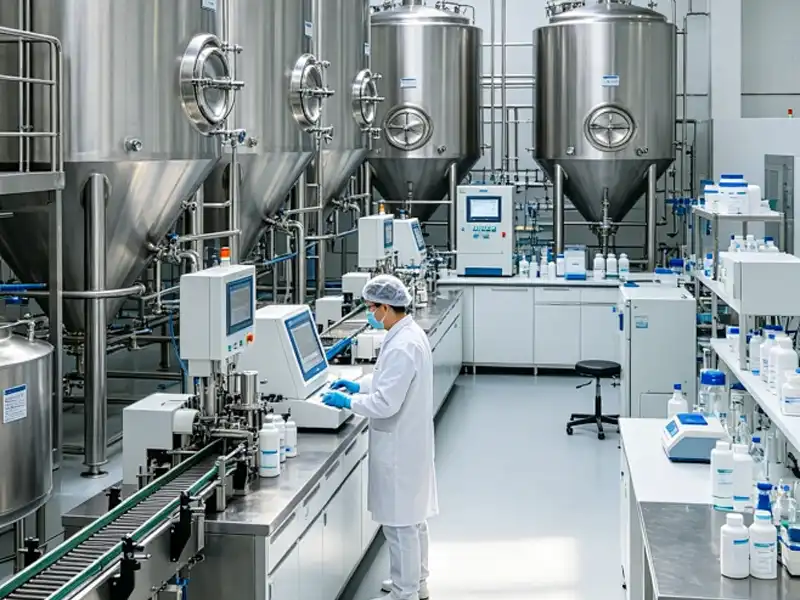 Pharmaceutical Industry
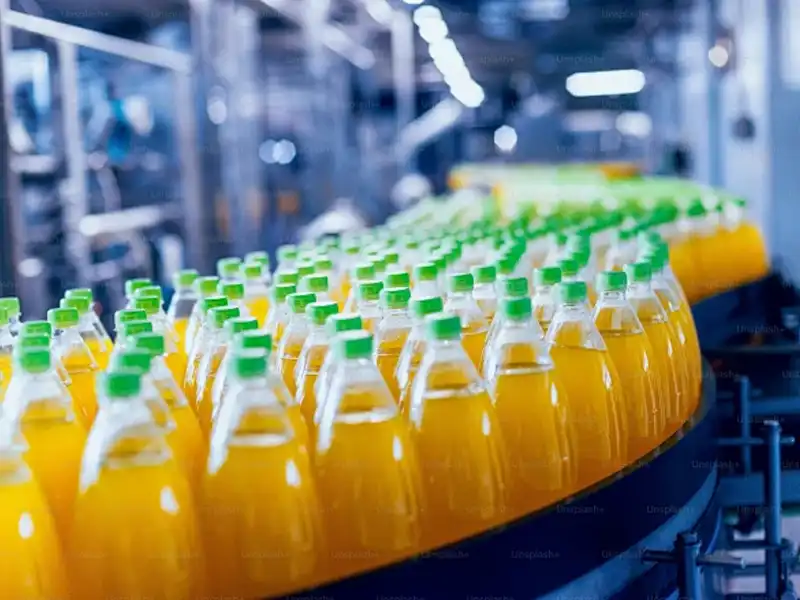 Food and Beverage Industry
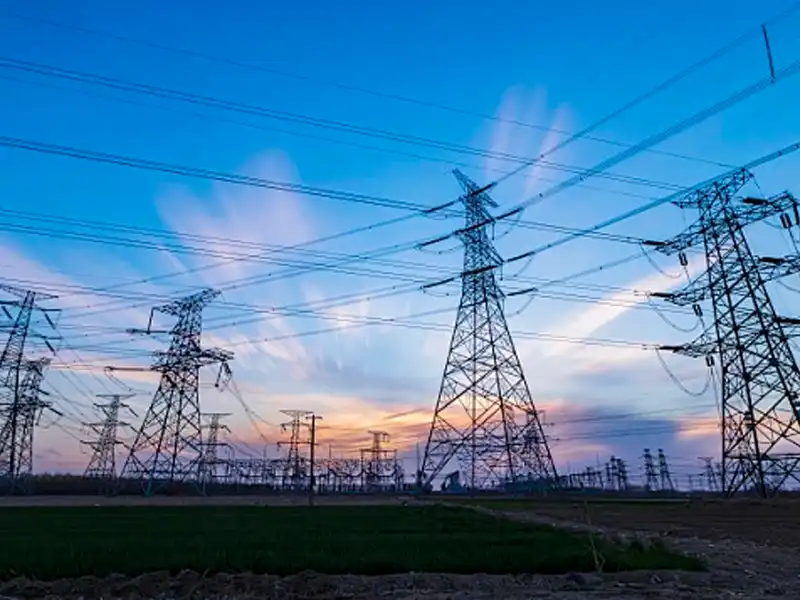 Power Industry
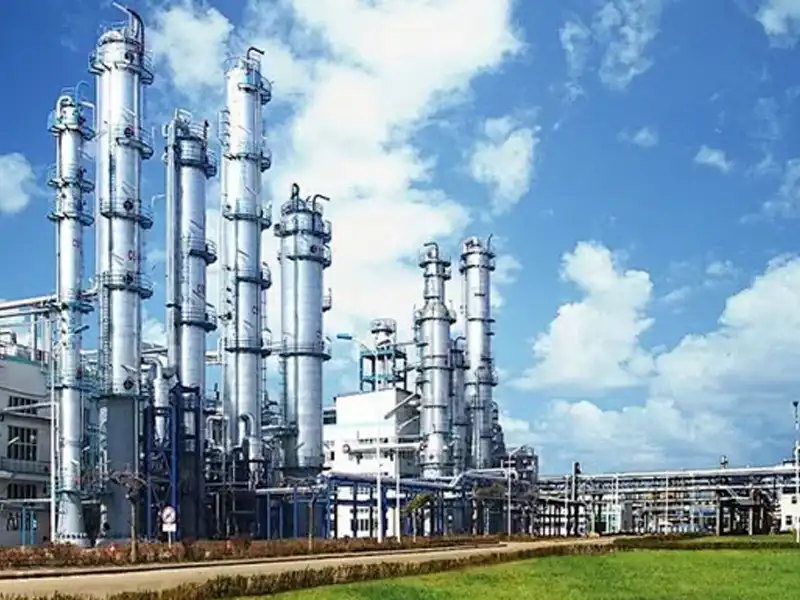 Chemical Industry
 Boiler Feedwater Treatment
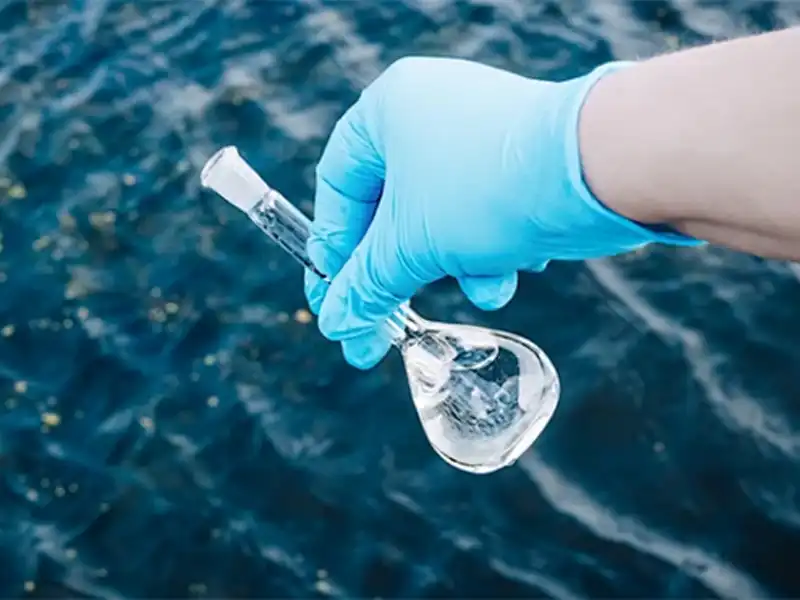 Seawater Desalination
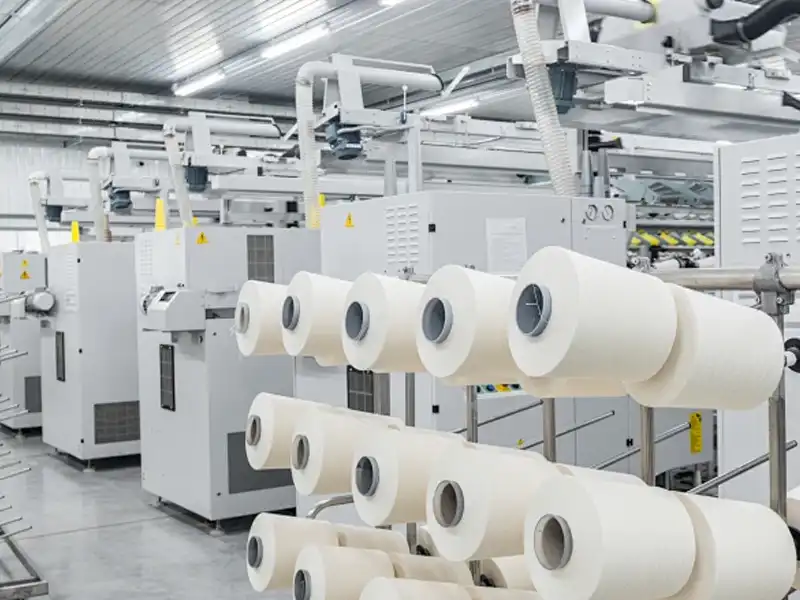 Textile and Dyeing Industry
Optional equipment
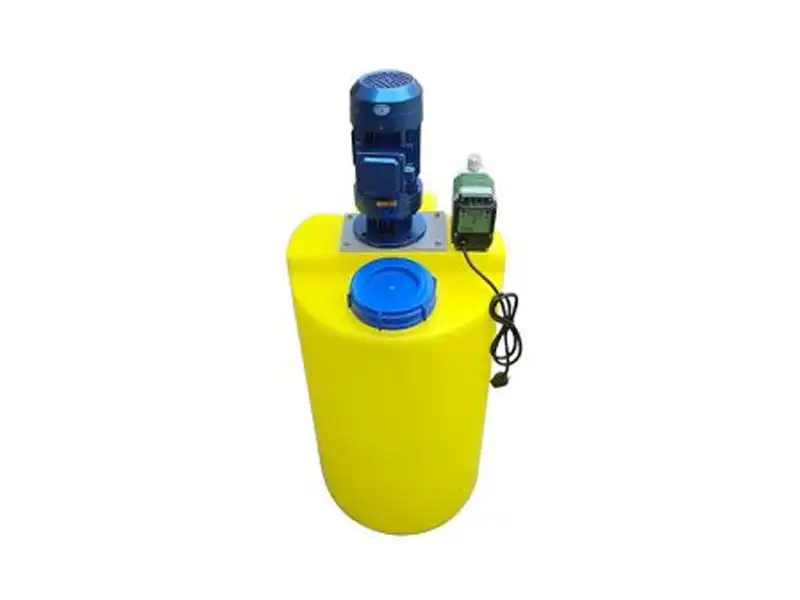
Dosing Machine
- Adding flocculants to the water enhances the precipitation of unwanted impurities and colloidal substances.
- Adding scale inhibitors prevents calcium and magnesium ions from forming scale, thereby protecting the membrane filtration system.
- Adding pH adjusters allows the water’s pH level to be set to the ideal range.
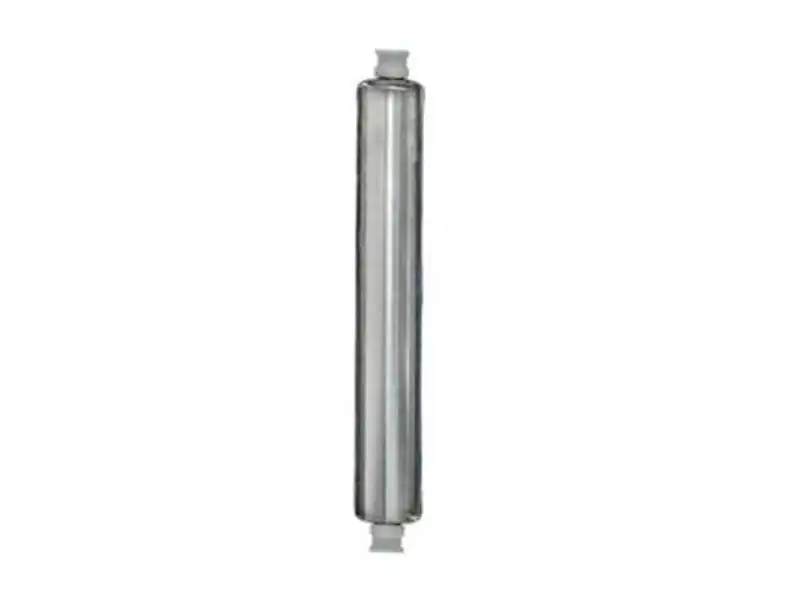
UV Sterilizing device
- Main Material: stainless steel 304
- Function: sterilize the bacteria in the water
- Capacity: 2000L per hour
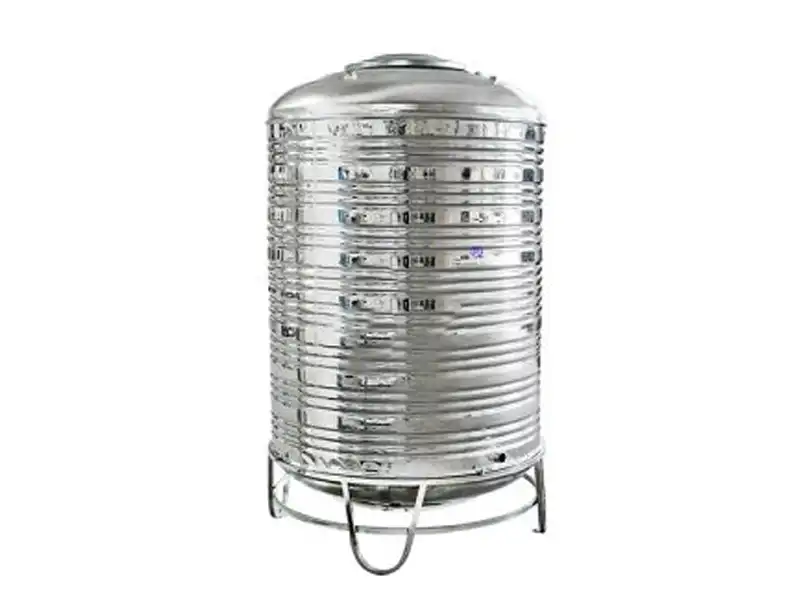
Stainless Steel Water Tank
- Material: stainless steel 304
- Function: Raw water or product water storage. It is better to connect with an ozone machine to sterilize the bacteria in the water.
- Volume: 1000L to 5000L or more
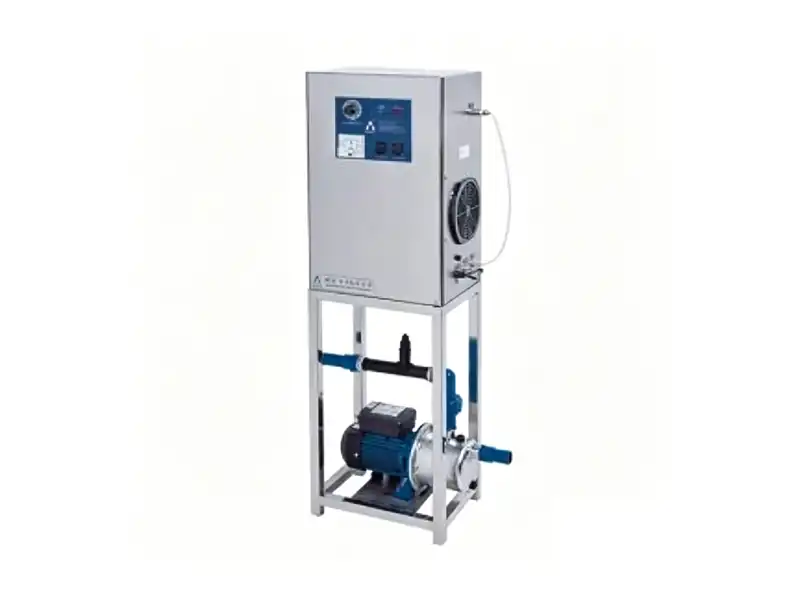
Tings Ozone Machine
- Material: stainless steel 304
- Ozone output: 3 to 32g/H
- Function: to produce ozone and pump it to the water tank or ozone mixing tower, so that the ozone can fully sterilize and disinfect the water in the mixing circulation process.
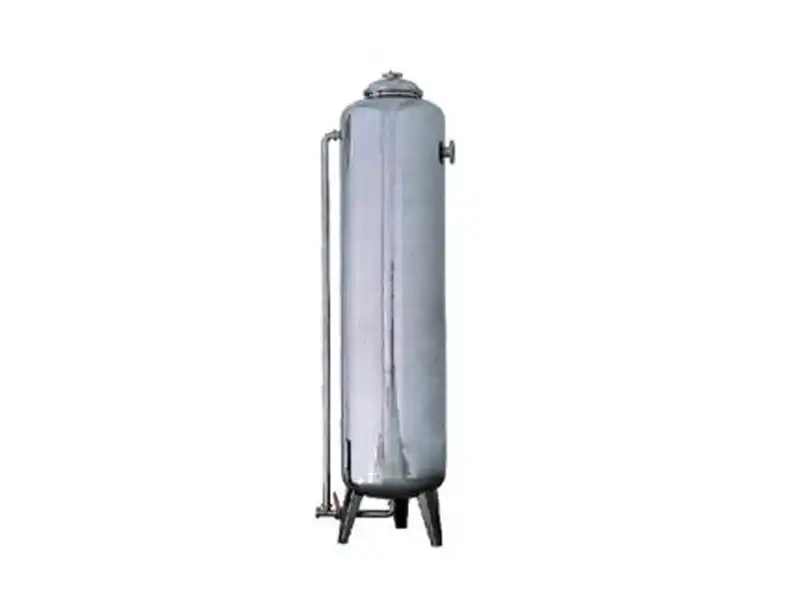
Ozone Mixing Tower
- Material: stainless steel 304
- Function: fully mixing the ozone and water, making it the best ozone sterilizing effect
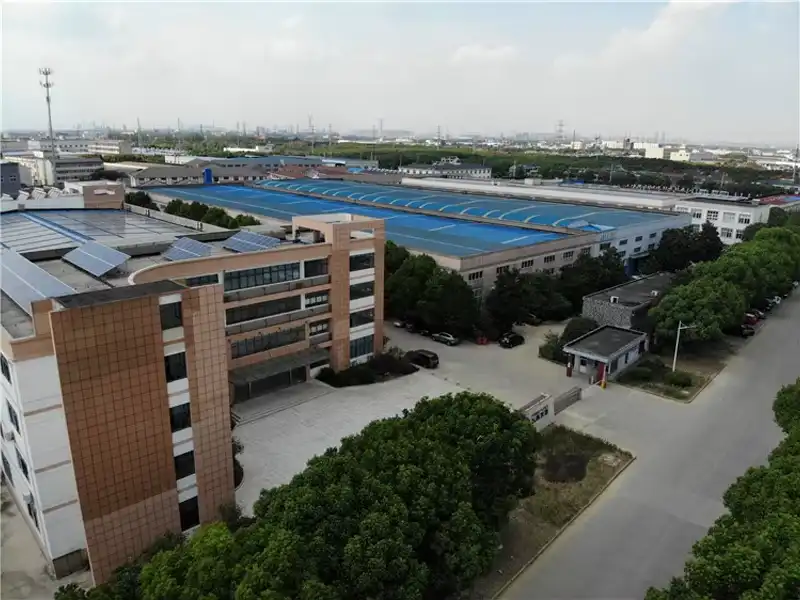
RO Water Treatment Plant Manufacturer and Supplier
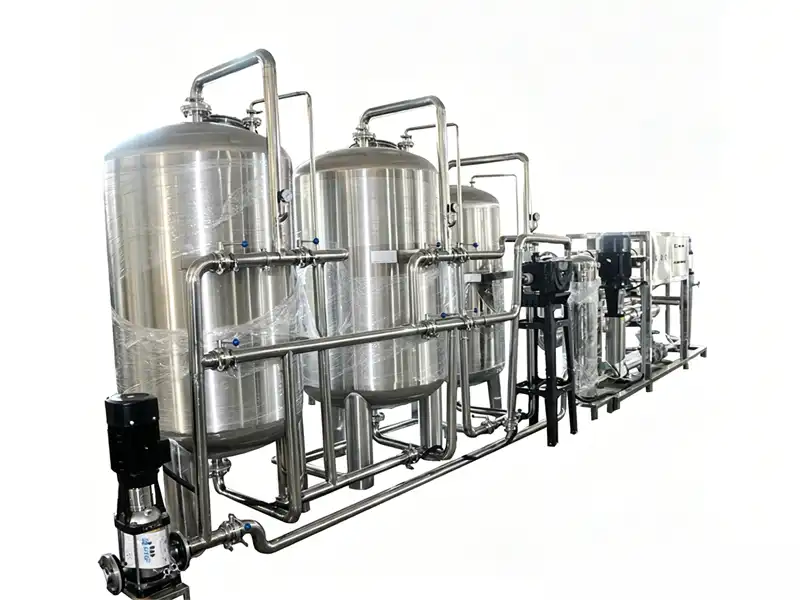
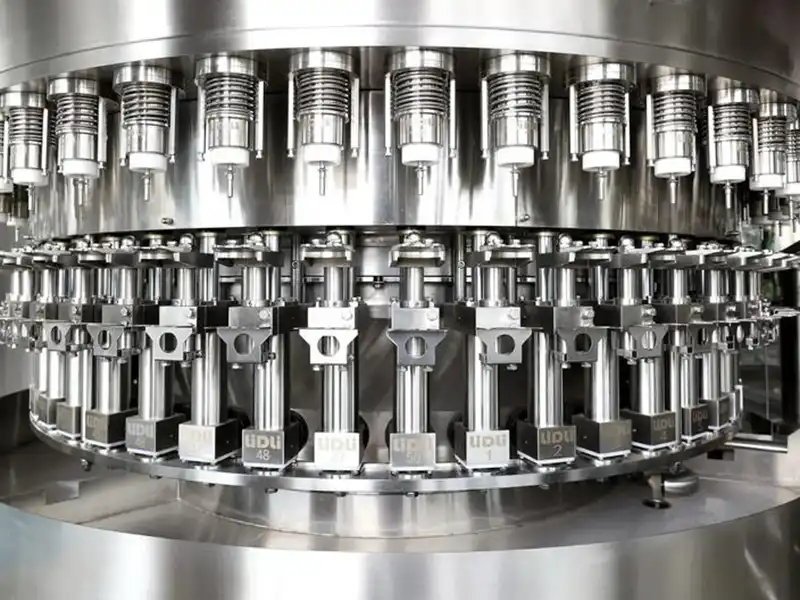
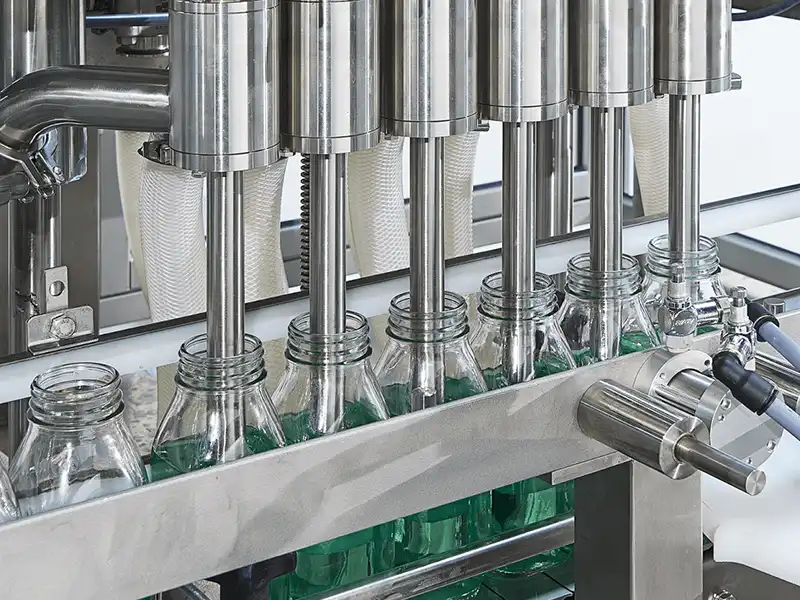
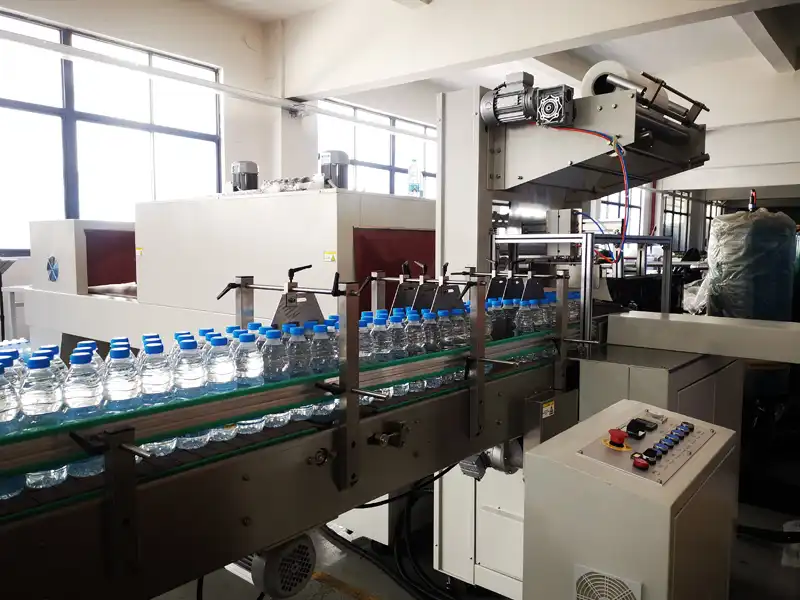
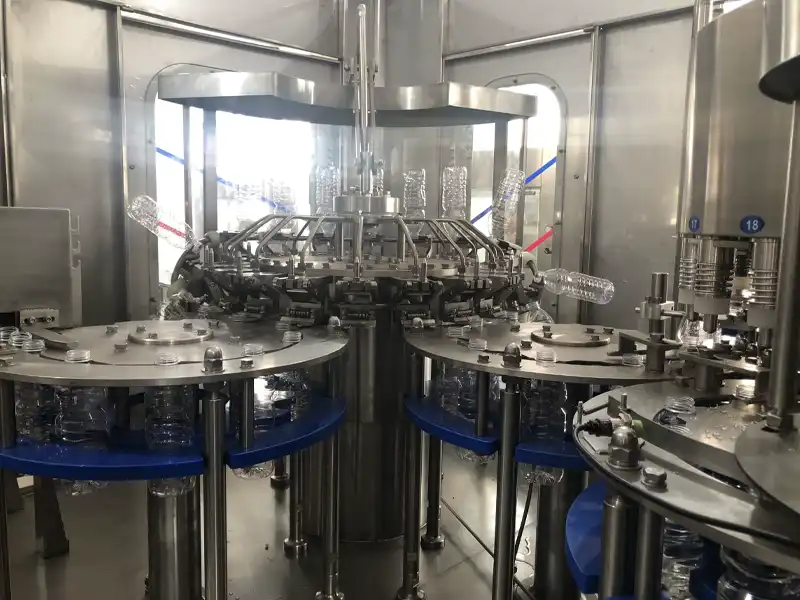
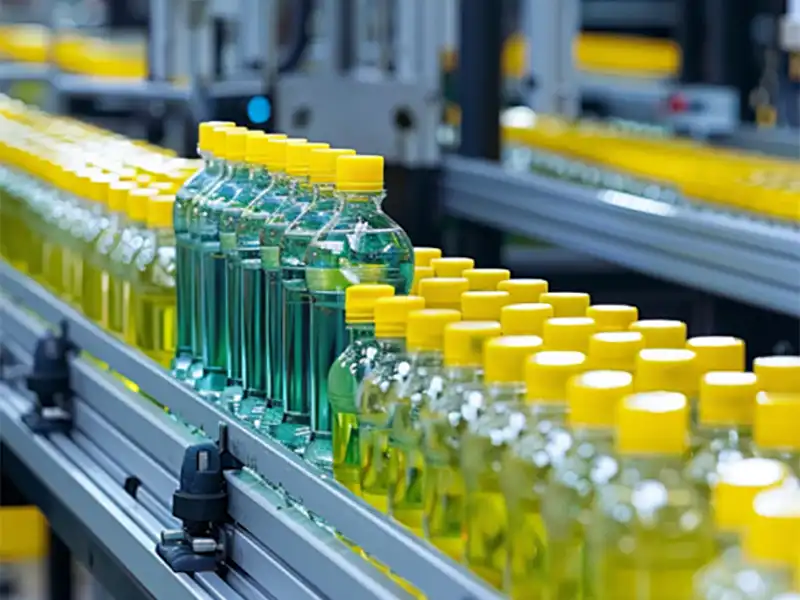
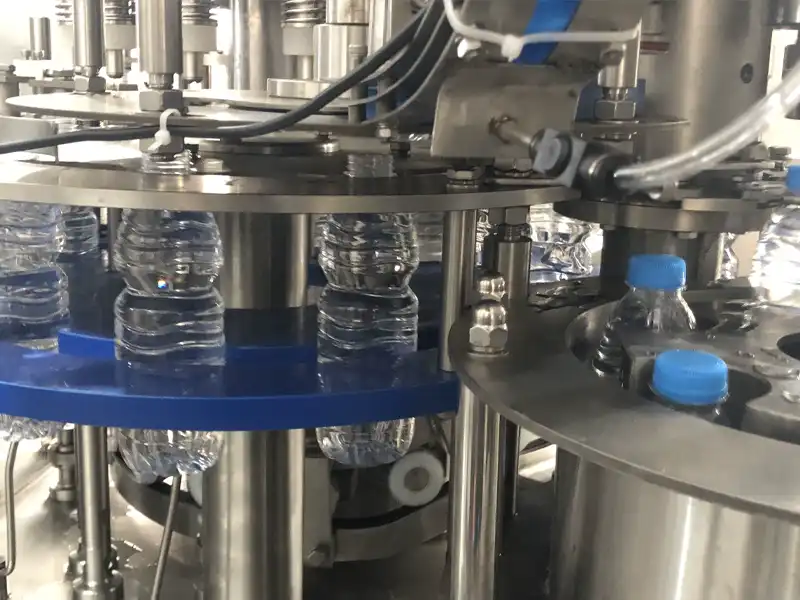
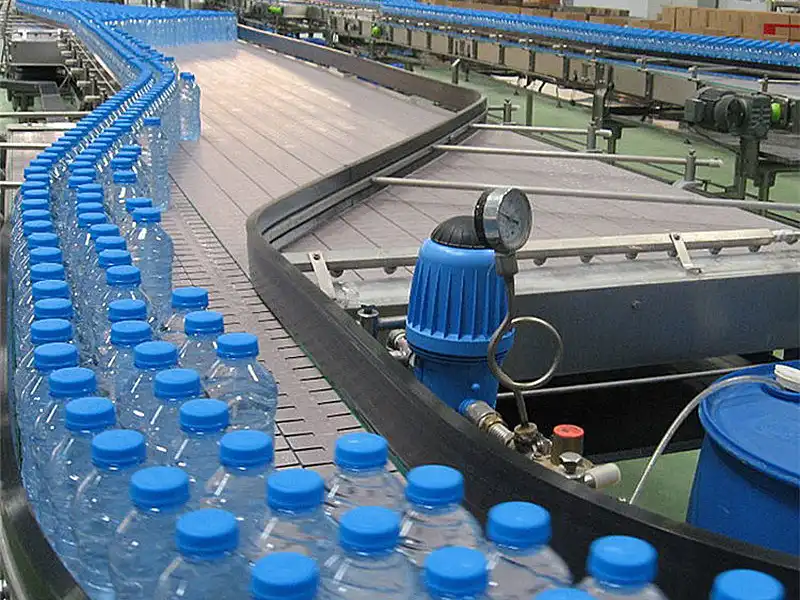
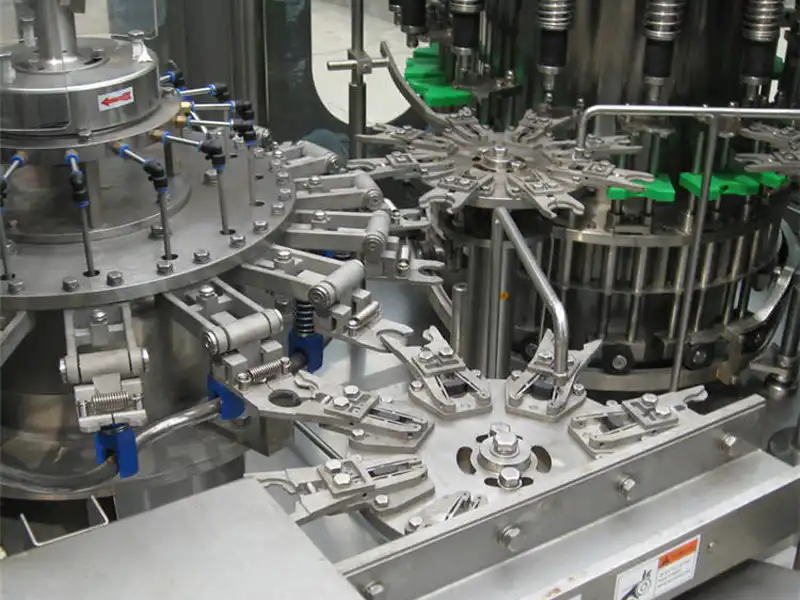
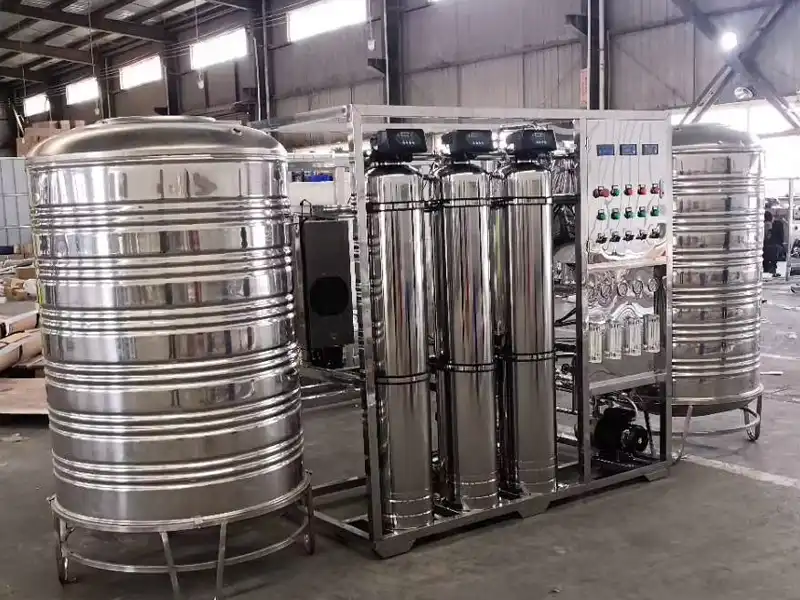
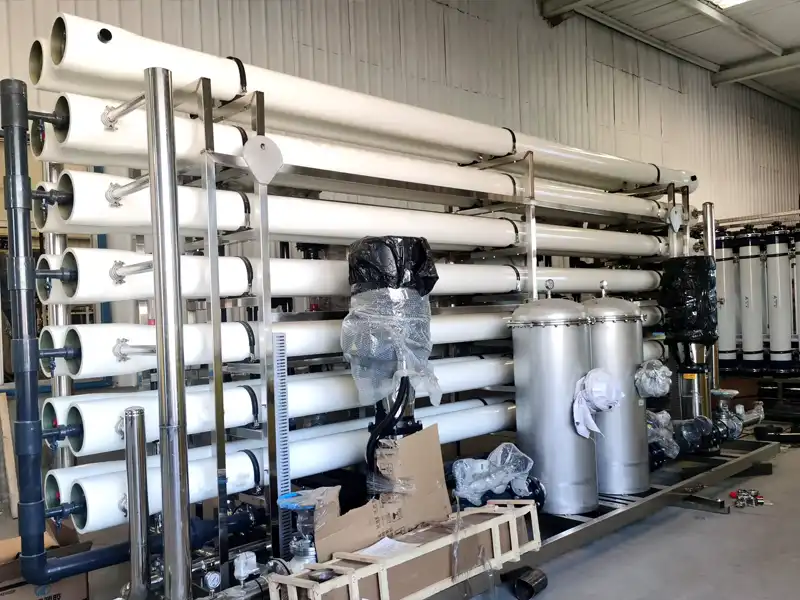
We are a professional manufacturer and supplier of RO water treatment plants, offering complete equipment systems. Our core products include RO units for purified and mineral water, pretreatment systems for mountain spring water, EDI ultrapure water systems, water softening units, and seawater desalination equipment. We also provide auxiliary systems such as sterilization units, ozone disinfection systems, and integrated filtration units, capable of treating various types of raw water to meet standards for bottled drinking water.
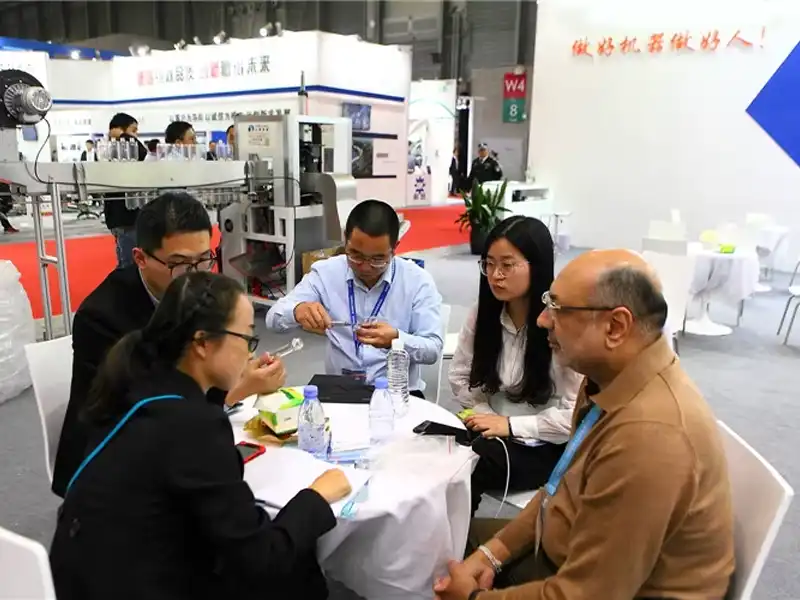
We provide comprehensive water purification solutions addressing challenges such as impurities, hardness, bacteria, and high salinity in raw water, offering fully customized production lines tailored to specific output requirements, water quality standards, and site conditions. Please contact our professional technical team for one-on-one consultations regarding plant design, water quality analysis, and equipment selection.
FAQs
Get one-stop answers to common questions regarding equipment selection, processes, customization, and O&M for a full range of water purification systems—including RO (reverse osmosis), mineral water production, EDI ultrapure water, and seawater desalination.
Contact Us
A professional manufacturer of RO water treatment equipment, offering a complete range of water purification systems with flexible customization to meet the diverse needs of bottled water production.
- Custom Water Treatment Solution Design
- Free Professional Technical Consultation
- Complete Water Equipment Manufacturing
- Global Remote Installation Guidance
- Long-Term After-Sales & Spare Parts Supply
- OEM & ODM Customization Service OEM/ODM